
Many people assume video production means pressing record and editing afterward. In reality, a lot happens before the camera even turns on, and a lot more after it turns off.
Today, businesses rely on video to explain products, share their brand story, and connect with customers in ways that text alone rarely can. A short product demo or behind-the-scenes clip often does more work than an entire webpage. That’s why more companies in the Phoenix area are turning to professional video production teams to get it right.
But what exactly does a Phoenix video production company do? And what should you expect when you hire one? This guide walks through the full process.
Why Video Has Become Essential for Businesses
Before getting into the process, it’s worth understanding why video matters so much right now.
- 91% of businesses use video as a marketing tool (Wyzowl, 2026)
- Video on a landing page can increase conversions by up to 80% (EyeView, 2019)
- Social media video posts generate 48% more views than those without (HubSpot)
Those numbers explain why companies are investing in video and why doing it professionally makes a real difference. A shaky, poorly lit clip can hurt a brand just as much as a polished one can help it.
The Role of a Video Production Company
A professional Phoenix Arizona video production team handles the complete lifecycle of a video project, from the first creative conversation to final delivery. Their job is to take a business goal or an idea and turn it into a visual story that actually lands with the right audience.
This covers a wide range of content types:
- Brand and corporate videos
- Product demonstrations and explainers
- TV and digital commercials
- Event coverage and highlight reels
- Social media content and short-form video
- Customer testimonials and case study videos
Each of these requires a different approach, different crew, and different technical decisions. A good production company figures all of that out so the client doesn’t have to.
Stage 1: Pre-Production – Where the Real Work Begins
Pre-production is the planning phase, and it’s arguably the most important part of the whole process. Most problems that appear on a shoot day can be traced back to decisions or non-decisions made here.
During pre-production, the production team works closely with the client to get clear on a few things:
- What is the goal of this video? (Brand awareness, lead generation, product education?)
- Who is the target audience, and what do they care about?
- What is the core message – the one thing viewers should walk away knowing?
Once that’s established, the team gets into the craft:
- Developing the creative concept and narrative approach
- Writing scripts, interview questions, or scene outlines
- Building storyboards or shot lists to plan each scene visually
- Scouting and selecting filming locations
- Casting presenters, actors, or interview subjects if needed
- Scheduling the production timeline and coordinating logistics
Think of pre-production like building the blueprint before construction. Skipping this step is how projects go over budget, over schedule, and under expectations.
Stage 2: Production – Capturing the Footage
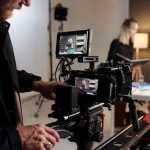
This is the stage most people picture when they think about video production: cameras, lights, crew, action. But there’s a lot more coordination happening than it might look like from the outside.
A typical Phoenix Arizona video production crew might include:
- A director who manages creative decisions and guides on-screen talent
- Camera operators handling angles, movement, and technical settings
- Lighting technicians who shape how the scene looks and feels
- Sound engineers ensuring clean, clear audio
- A producer keeping the schedule on track
During production, the goal isn’t just to capture footage; it’s to capture the right footage. That means shooting multiple takes, getting coverage from different angles, and gathering more material than you think you’ll need. Good editors work with options.
For example, a Phoenix restaurant shooting a brand video might spend a morning capturing kitchen prep footage, a lunchtime service sequence, and sit-down interviews with the chef, all of it carefully lit and recorded so the editor has everything needed to tell a real story.
Stage 3: Post-Production – Turning Raw Footage Into a Finished Video
Post-production is where everything comes together. The raw footage gets reviewed, selected, and assembled into a coherent, compelling final video.
This stage typically includes:
- Editing – choosing the best takes and building the story sequence
- Color correction and grading to create a consistent, professional look
- Sound design – balancing dialogue, adding music and sound effects
- Voiceover recording if the script calls for it
- Motion graphics, titles, and lower thirds
- Visual effects if needed
- Final export and optimization for each platform (web, social, broadcast)
Post-production can take anywhere from a few days to several weeks depending on the complexity of the project. A 90-second social ad and a 10-minute corporate documentary require very different amounts of work in the edit room.
Common Mistakes Businesses Make When Producing Videos
Working with clients over the years, professional production companies see the same issues come up repeatedly. A few worth knowing before you start:
Skipping the brief.
Walking into production without a clear goal or agreed message leads to reshoots, revision cycles, and frustration on both sides.
Underestimating post-production time.
Editing takes time. Rushing it produces a video that looks rushed.
Treating video as a one-size-fits-all asset.
A video cut for YouTube needs different pacing and aspect ratios than one for Instagram Reels or a trade show screen.
Ignoring audio.
Viewers will forgive mediocre visuals more readily than bad sound. Poor audio kills credibility fast.
How to Choose the Right Video Production Company in Phoenix
Not all production companies are built the same. Here’s what to look for:
- A portfolio that shows range, not just one type of video
- A clear process for pre-production and client collaboration
- Transparency around timelines, revisions, and deliverables
- Experience with your specific type of video or industry
- A team you can actually communicate with
It’s also worth asking: do they think about strategy, or just execution? The best production partners care about whether the video achieves your business goal, not just whether it looks good.
How Professional Video Helps Businesses Grow
Done right, video content pays for itself. Businesses that invest in professional video production see improvements in:
- Social media engagement and reach
- Website dwell time and conversion rates
- Sales team effectiveness (a strong product video does a lot of the explaining)
- Brand trust and recognition over time
The difference between DIY video and professionally produced content is visual quality, clarity, consistency, and credibility that audiences notice.
Ready to Get Started?
Creating a strong video takes more than a camera and editing software. It takes clear thinking about your audience, skilled execution across every stage, and the kind of attention to detail that separates forgettable content from something people actually remember.
If your business is looking to create video content that genuinely represents your brand and connects with your audience, working with an experienced Phoenix video production team can make a significant difference in the outcome.
Diversa Media offers professional video production services in Phoenix, Arizona built around your specific business goals. Their team focuses on thoughtful storytelling, strategic planning, and high-quality visuals that help Phoenix businesses stand out, from pre-production through final delivery.
Want to talk about your next video project? Reach out to DiversaMedia today and let’s figure out what your brand’s story looks like on screen.